June 5, 2026 · 7 min read
Post-Renovation Dust Cleanup: The Right Order
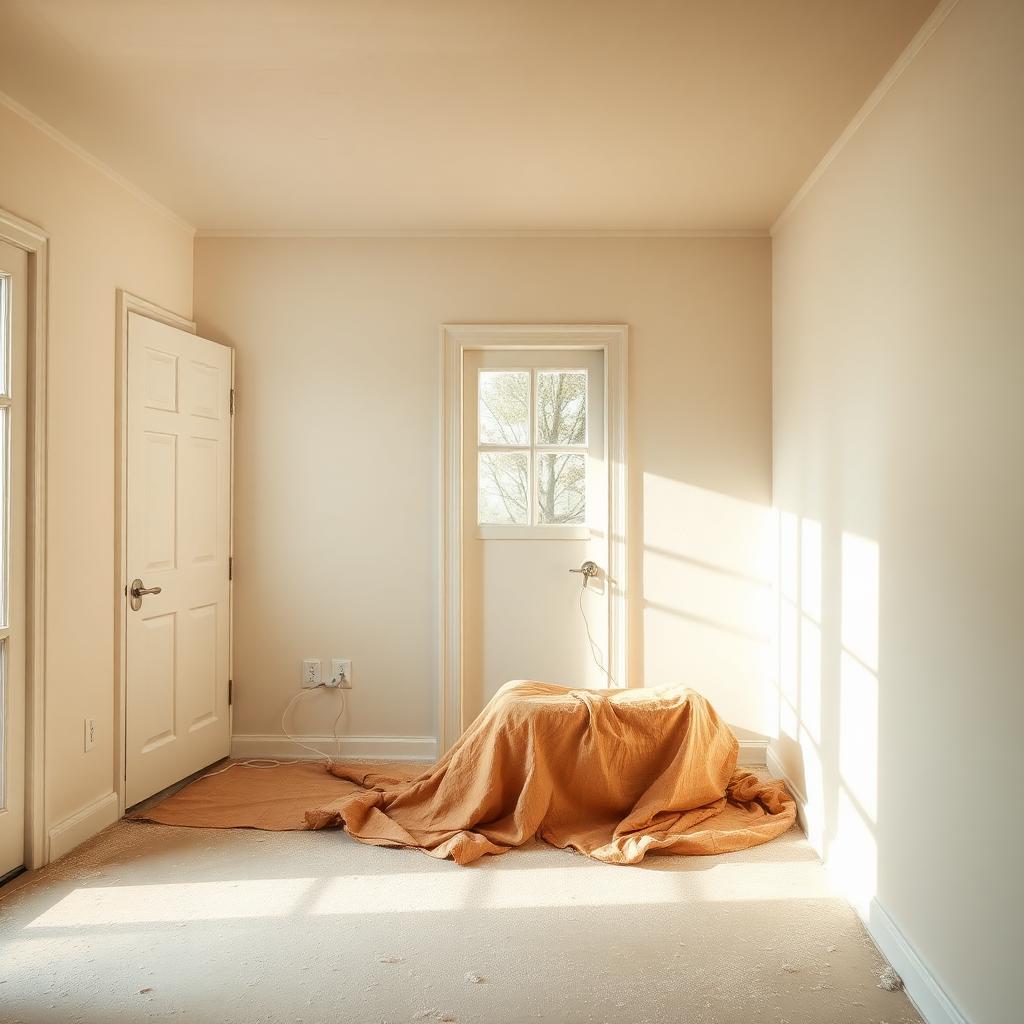
Renovation dust is its own category. Drywall dust particles are 1–10 microns — fine enough to slip past a standard vacuum filter and stay airborne for hours. Sawdust, MDF dust, and concrete dust each behave differently. Most homeowners try to clean up after their contractor with a vacuum and a damp rag and end up grinding the dust deeper into every porous surface in the room.
Here is the order our crews use after kitchen remodels, bathroom remodels, basement finishes, and full renovations in Avon, Westlake, and North Ridgeville homes.
Step 1 — Let the air settle
If the contractor just finished, the air is still loaded with suspended dust. Run the HVAC fan on continuous (not auto) for 6–8 hours with a fresh high-MERV filter (MERV 11 or higher). Put a box fan with a furnace filter taped to the back in the doorway pointing out — it captures airborne dust as it passes through. Do not start surface cleaning while dust is still settling, or you will clean each surface twice.
Step 2 — Top down, always
Once the air clears, start at the ceiling. Dust the ceiling fan, light fixtures, and ceiling corners with a microfiber duster on an extension pole. Move to the walls and door tops. Then window casings and sills. Then upper cabinets, then counters, then lower cabinets, then baseboards, then floors.
Going out of order means dust falls onto surfaces you already cleaned. Every surface gets cleaned exactly once in the right order.
Step 3 — HEPA vacuum before damp wiping
A vacuum with a true HEPA filter is non-negotiable. Standard residential vacuums recirculate fine dust through the exhaust and make the air worse. If you do not own a HEPA vacuum, rent one for a day — about $40 at most rental yards. Vacuum every horizontal surface, including walls, before any damp wiping.
Damp wiping before vacuuming turns dust into a paste that smears into wood grain, drywall texture, and grout. The order is always: HEPA vacuum, then damp microfiber, then dry buff.
Step 4 — Damp wipe with the right cloth
Use microfiber, not paper towels or cotton rags. Microfiber traps fine particles in the fibers; cotton and paper push them around. Rinse the microfiber every two or three wipes — once it is fully loaded, it stops trapping and starts smearing. Use plain water for the first pass and a mild all-purpose cleaner for the second.
- Cabinet interiors and drawers — dust gets inside through gaps
- Inside light fixtures and outlet covers
- Window tracks and door tracks
- Inside the HVAC return grille
- Tops of door frames and crown molding
Step 5 — Floors last, twice
Vacuum the floor once with the HEPA vacuum. Then damp-mop with a flat microfiber pad. Then vacuum again the next day — fine dust that was airborne during your cleaning will have settled overnight. Plan on a second floor pass 24 hours later for any renovation larger than a single room.
Step 6 — Replace the HVAC filter
After 48 hours, replace the HVAC filter again. The first replacement caught the bulk of the suspended dust; the second catches what settled and got stirred back up during cleaning.
Why this is worth hiring out
Post-renovation cleanup is the highest-effort one-time clean we offer. A kitchen remodel cleanup takes our two-person team 4–6 hours; a whole-home renovation cleanup can run 12–16 hours. The work is unpleasant, the dust is genuinely harmful to lungs over prolonged exposure, and the equipment investment to do it right (HEPA vacuum, MERV 11+ filters, gallons of microfiber) is hard to justify for a one-time project.
If you have a renovation finishing soon in Avon, Avon Lake, or anywhere in our service area, our post-construction cleaning service is built specifically for this scope. We coordinate timing with your contractor and arrive after the trim carpenters but before you move furniture back in.
Related services and service areas
Cities we serve