June 5, 2026 · 7 min read
Move-In Cleaning: What to Expect Before You Unpack
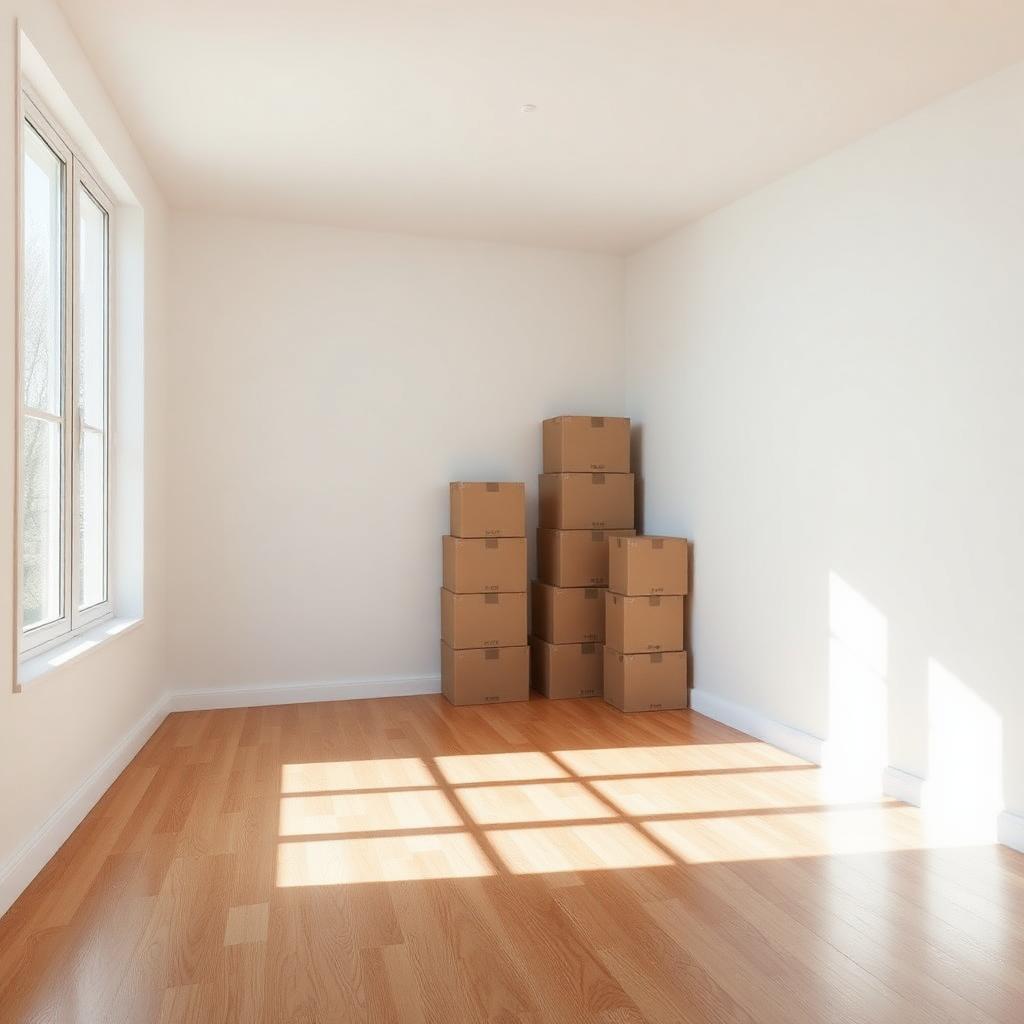
The home you closed on looked clean at the final walkthrough. Then the sellers' movers pulled out the couch and the dining table, and you saw what was actually behind the furniture: dust drifts behind the entertainment center, a sticky shadow where the kitchen trash can lived, scuff arcs on the baseboards, and a lot more cobwebs in the basement than you remembered. This is normal. It is also exactly why every buyer in Avon, Avon Lake, Westlake, and the surrounding suburbs should book a move-in cleaning before the moving truck arrives.
What a move-in cleaning actually covers
A move-in cleaning is closer to a deep cleaning than to a recurring visit. The house is empty, so every cabinet, drawer, closet, and shelf is accessible — and the scope reflects that. Our standard move-in scope includes the full interior of every kitchen and bathroom cabinet and drawer, the inside of the oven and refrigerator, all interior windows and sills, every baseboard, all light switches and outlet covers, all door handles, every ceiling fan, and the floors after everything else is done.
- Inside of every cabinet, drawer, and closet — wiped, not just vacuumed
- Inside of the oven, microwave, and refrigerator
- All interior windows, sills, and tracks
- Every baseboard, door, and door frame
- Light fixtures, ceiling fan blades, and vent covers
- Floors vacuumed and mopped last so the rest of the work does not re-soil them
How long it takes
A 2,000-square-foot Avon home with three bedrooms and 2.5 bathrooms takes our two-person team about 5–7 hours for a standard move-in scope. A 3,500-square-foot Westlake home with a finished basement and four bathrooms can run 8–10 hours. We send a fixed flat-rate quote in advance so there are no surprises if the work runs long on our side.
Timing it around the moving truck
The best window is the day after closing, before any furniture or boxes arrive. The house is empty, the utilities are on in your name, and we can work without scheduling around movers. The second-best window is a few hours before the truck arrives on moving day — we can usually clear the priority rooms (kitchen, primary bath, primary bedroom) so the movers can start placing furniture in clean rooms while we finish the rest.
The worst window is the day after the truck. Once boxes are stacked in every room, the scope drops by about 40% because cabinets, closets, and floors are no longer accessible. If your closing schedule forces this, book a recurring deep cleaning a few weeks later once the boxes are unpacked.
What we find most often
Refrigerator drip pans full of standing water and food debris. Range hood filters that have never been washed. Dust bunnies the size of a hand behind every dresser. Cabinet shelves with sticky liner residue and crumbs in the corners. Bathroom exhaust fans coated in lint. Garage floors with oil stains the sellers covered with a rug for the listing photos.
None of this is unusual and none of it reflects badly on the sellers — most homeowners do not pull the fridge forward for years. It is just easier to deal with all of it in one pass while the home is empty.
Move-out cleaning is the same scope, different direction
If you are the one selling, our move-out cleaning runs the same scope in reverse. Buyers' inspectors look at exhaust fans, range hoods, and inside the dishwasher. A move-out cleaning the day after your truck leaves protects the deal and earns the security deposit back on rentals.
Either way, the longer the gap between when the previous occupants leave and when we clean, the more dust we will find — schedule us as close to the empty-house window as possible.
Related services and service areas
Cities we serve