June 5, 2026 · 7 min read
Pet Hair Removal Techniques That Actually Work
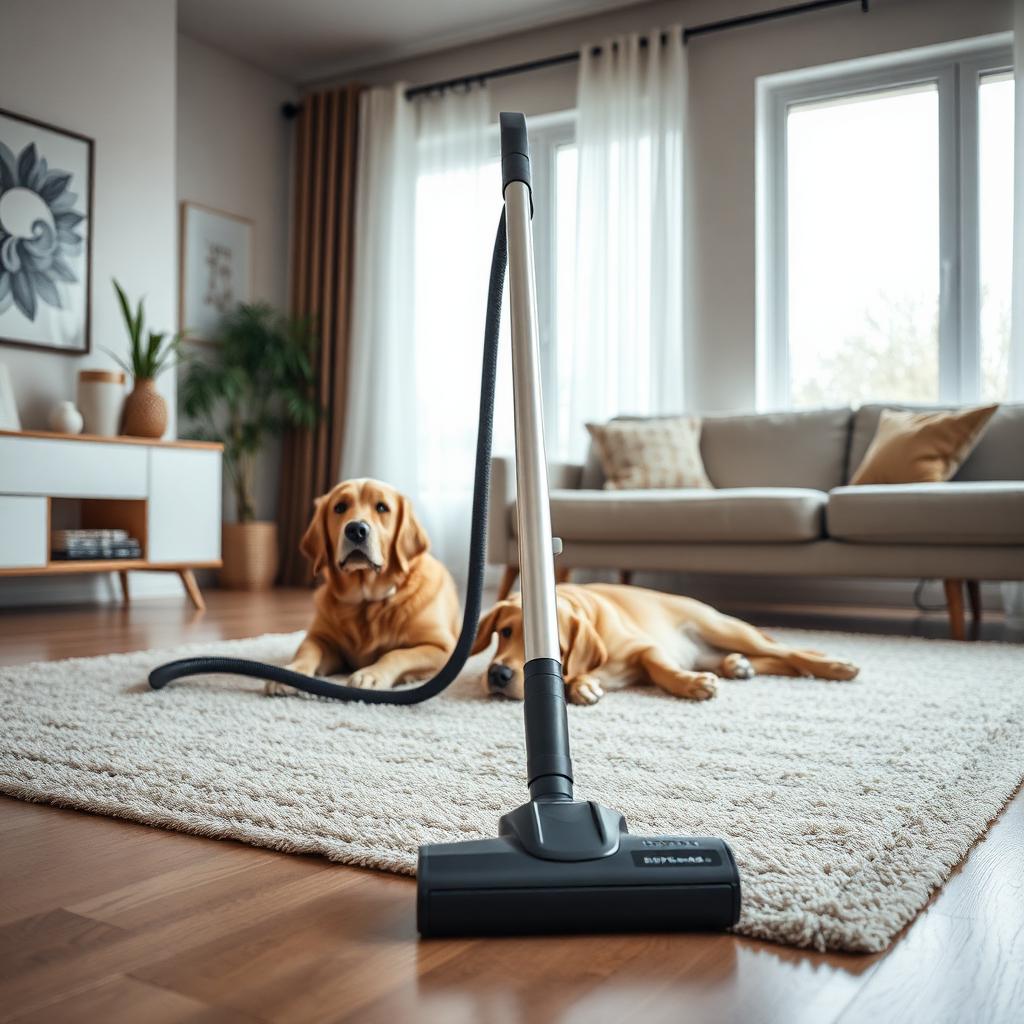
About 65% of our recurring clients in Avon and Westlake have at least one dog or cat. After cleaning thousands of pet homes, we have learned that the standard vacuum-and-go approach moves about 60% of the hair into the bag and the other 40% into the air, where it settles back onto the same surfaces 20 minutes later. The result: the home looks clean for an hour and looks shedded again by dinner.
Here is the room-by-room playbook we have built to actually remove pet hair instead of just rearranging it.
Upholstery: rubber, then vacuum, not the other way around
Vacuums alone cannot pull embedded hair out of woven upholstery. The fibers grip the hair and the vacuum just passes over the top. The fix is a damp rubber glove or a rubber pet brush — rub the cushion in one direction with light pressure and the hair rolls into a single line you can pick up by hand. Then vacuum to catch the surface fluff.
On microfiber and velvet, a slightly damp microfiber cloth wrapped around your hand works better than rubber. Always finish with a light fabric refresher because the brushing process releases dander into the air.
Hardwood and LVP: dry pickup first, never wet
Wet-mopping a floor with loose pet hair turns the hair into a paste that smears into the seams and dries into a brown line you cannot vacuum out later. Always dry-vacuum or microfiber-sweep first, do a second pass to catch what the first one missed, and only then damp-mop. Use a flat microfiber pad, not a string mop — string mops drag hair around instead of trapping it.
Carpet: cross-pattern vacuuming and a beater bar
Carpets need a vacuum with a working beater bar and a pass pattern that crosses the grain. Vacuum once north-south, then once east-west. The second pass picks up roughly twice as much hair as the first because the brush approaches each fiber from a different angle. Empty the canister or change the bag before the home — pet hair fills bags fast and a full bag drops suction by 50%.
On stairs, a handheld vacuum with a turbo head works better than dragging an upright. For high-shed dogs, a once-a-month carpet rake before vacuuming pulls hair from the base of the pile that the vacuum never reaches.
Air vents and the return grille
Pet hair travels through the HVAC system. The return grille and the supply vents collect a fuzzy layer that most homeowners never look at. Pull each cover, vacuum both sides with a brush attachment, and wipe with a damp microfiber. Change the HVAC filter monthly in pet homes — every two months at the longest. A clogged filter pushes more hair out of the supply vents.
What we add to recurring pet-home visits
On every recurring visit to a pet home, we add: a rubber-glove pass on the main couch and the primary bed pet zone, a second cross-pattern vacuum on the largest carpeted room, vent-cover wipe-downs on the return grille, and a damp microfiber pass along baseboards where hair tends to drift and stick.
On every deep cleaning visit, we add furniture pull-outs to vacuum behind the couch and under the bed, ceiling fan blade dusting (where shed dander collects), and a pass on any pet-accessible windowsill.
- Brush pets outdoors when weather allows — a single 5-minute brushing reduces indoor shed by about 30%
- Wash pet beds weekly on hot
- Run an air purifier with a HEPA filter in the main living room and bedroom
- Trim long-coat dogs every 8–10 weeks during shedding season
Booking
If pet hair is your main reason for hiring a cleaner, our recurring house cleaning service is the right scope and weekly will keep up better than biweekly for heavy-shed breeds. For a one-time reset, the deep cleaning service includes the full upholstery and vent protocol on the first visit.
Related services and service areas
Cities we serve